Script Bubble: A Versatile Script Font for Web Design
What Is Script Bubble?
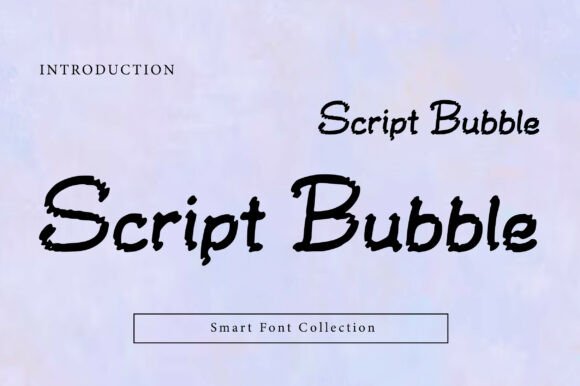
Script Bubble is a unique decorative typeface that merges the elegance of script with the texture of hand-drawn elements. Its fluid motion and irregular weight give it a personal, artistic feel that stands out in digital spaces. Designed for creative expression, this font offers a fresh alternative to traditional script fonts, making it ideal for designers looking to add character and visual interest to their projects.
Why Web Designers Love Script Bubble
As a web designer, I’ve found that Script Bubble adds a distinctive personality to any layout. It’s not just about aesthetics—it enhances the user experience by guiding attention and creating emotional resonance. The font’s irregular weight and flowing lines make it perfect for headers, hero sections, and call-to-action buttons where visual impact matters most.
Applying Script Bubble in Digital Layouts
Script Bubble works exceptionally well in various design contexts. For instance, on a creative portfolio site, it can be used for the main title to reflect the designer’s artistic identity. On an online store, it can elevate product banners or promotional sections, drawing customers’ eyes to key messages. In blog graphics or social media content, it adds a touch of sophistication without overwhelming the viewer.
When using Script Bubble in a landing page, consider pairing it with a clean sans-serif font for body text. This contrast ensures readability while maintaining a cohesive brand tone. Similarly, on a course sales page, the font can be used for headlines and subheadings to create a sense of movement and energy, encouraging users to take action.
Readability and Visual Hierarchy
While Script Bubble is visually appealing, its use requires careful consideration for readability. On mobile screens, smaller text sizes may reduce legibility, so it’s best suited for short phrases or decorative accents rather than long paragraphs. For optimal performance, ensure sufficient line spacing and avoid overuse in dense layouts.
In responsive designs, it’s important to test how Script Bubble renders across different screen sizes and device orientations. On dark backgrounds, the font’s texture can become less visible, so consider lighter text colors or subtle overlays to maintain clarity. Conversely, on light backgrounds, the font’s organic curves shine through, offering a striking contrast.
Font Pairing and Brand Identity
Script Bubble pairs beautifully with other typefaces to enhance brand identity. When paired with a simple sans-serif font like Montserrat or Open Sans, it creates a balanced look that feels both modern and artistic. For editorial-style websites, combining it with a serif font like Georgia or Playfair Display can evoke a more refined, professional vibe.
For a brand focused on creativity and craftsmanship, Script Bubble can serve as a signature font in a brand kit. Use it for logo text, headers, and promotional graphics to reinforce the brand’s voice and visual style. Its versatility allows it to adapt to different industries—from boutique stores to SaaS platforms—making it a valuable asset in your design toolkit.
Practical Tips for Using Script Bubble
- Use it sparingly: Script Bubble is best reserved for headlines, buttons, and decorative elements to avoid clutter.
- Check file formats: Ensure you have access to webfont formats (WOFF, WOFF2) for seamless integration into your website.
- Consider multilingual support: Verify if the font supports the languages relevant to your target audience.
- Test responsiveness: Always preview your design on multiple devices to ensure the font performs well in all contexts.
- Licensing matters: Confirm that the font is commercially licensed for use in client projects, online stores, and digital templates.
Enhancing Conversion-Focused Designs
Script Bubble can significantly impact conversion rates when used strategically. On a product landing page, its expressive style can help convey a brand’s personality and values, building trust with potential customers. In CTA areas, the font’s fluidity can guide the user’s eye toward the next step, increasing engagement and reducing bounce rates.
For online stores, using Script Bubble in banners or product descriptions can create a more inviting and personalized shopping experience. Its warm, hand-drawn aesthetic aligns well with brands that emphasize craftsmanship, artistry, and customer connection.
Conclusion
Script Bubble is more than just a decorative font—it’s a powerful tool for web designers and digital creators. Its unique blend of script and texture makes it versatile enough to suit a wide range of applications while maintaining readability and visual appeal. Whether you’re designing a creative portfolio, a boutique store, or a brand-focused website, Script Bubble can help you craft a memorable and engaging user experience.